How portraits are edited at Crimson Compass Studio
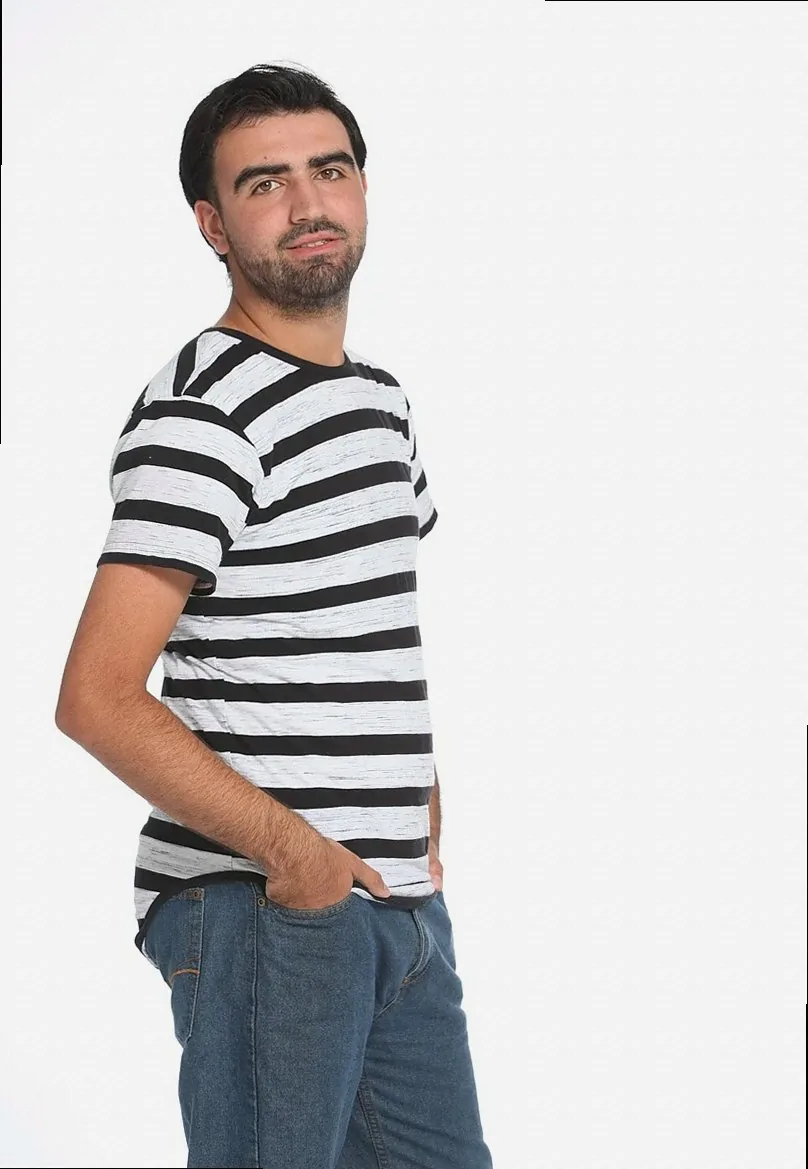
Editing is the part of photography that most clients do not see, and it is also the part where a lot of the character of the final images is determined. This is a straightforward account of how Susan approaches the editing stage and what clients can expect in their gallery.
What gets adjusted
Every image in the delivered gallery is colour-corrected and exposure-balanced. White balance is set consistently across the session so that the images work together as a set. Contrast is adjusted where the original exposure requires it.
Dust spots from the sensor are removed. Stray hairs that cross the face are sometimes removed if they obscure the eyes. These are the standard adjustments that make an image technically clean without changing what the person looks like.
What is left alone
Skin texture, wrinkles, pores, and the particular marks that make a face recognisable are not retouched. This is a deliberate choice, not a limitation. Heavy skin retouching produces images that look like the person on a different day, or a slightly different person altogether.
Susan does not use AI-generated retouching tools or frequency-separation skin smoothing. If a client has a specific concern, for example a temporary blemish on the day of the session, that can be discussed and addressed individually. The default is to leave the face as it is.
Delivery and selection
The full edited gallery is delivered as a private online link within fourteen days of the session. Susan selects the images for the gallery herself, removing duplicates, blinks, and frames where the technical quality is not sufficient. Clients do not receive the raw files.
If you want rush delivery within five working days, that is available for an additional £60, requested at the time of booking.
The editing stage is where the session becomes a set of images. It takes time, and the fourteen-day window exists for that reason.